
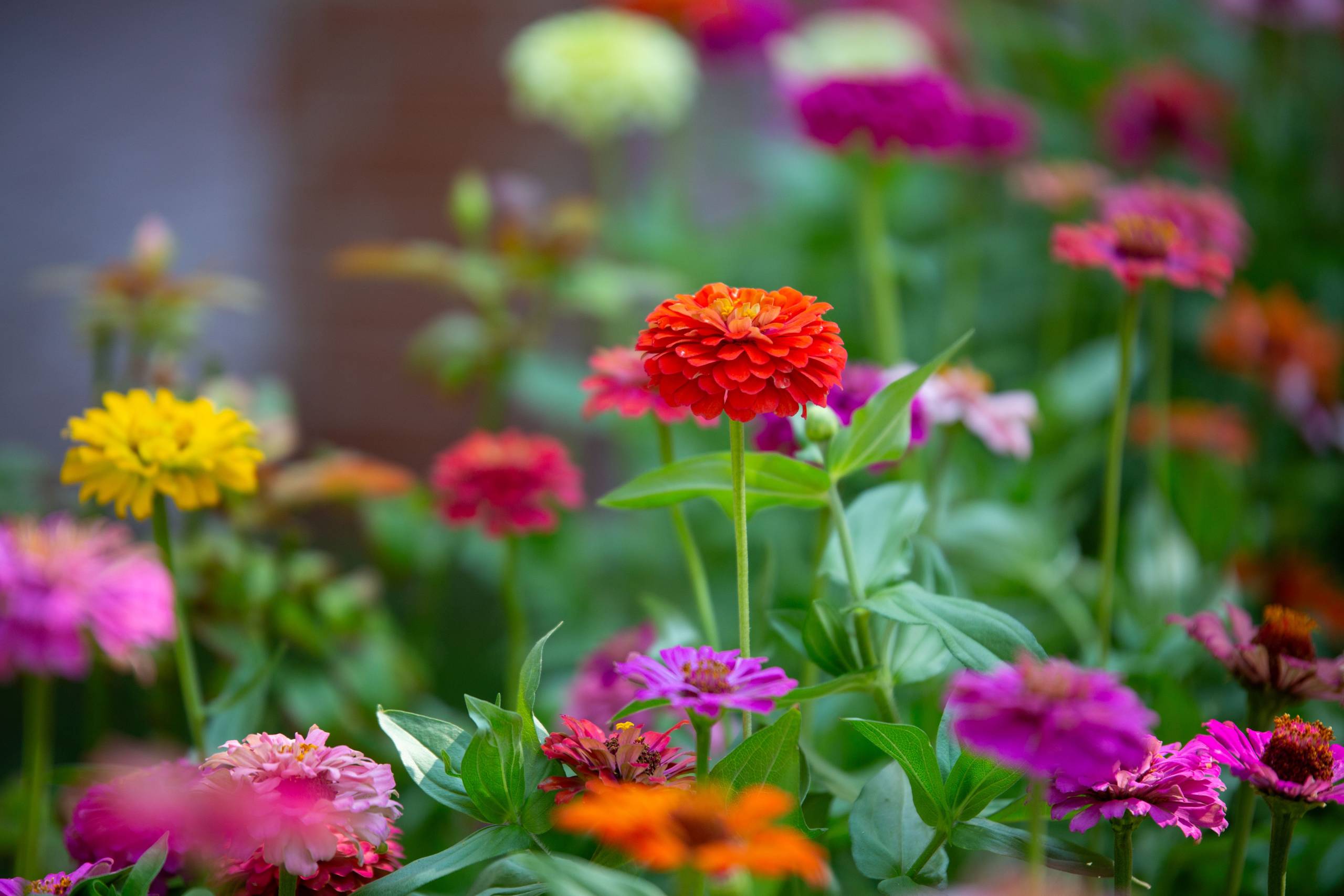
Nothing says summer quite like their cheerful, colorful blooms swaying in the garden. They bring so much life and joy to outdoor spaces, and the best part is that they’re incredibly easy to grow. With a little care and a few basic gardening tips, almost anyone can enjoy a season filled with nonstop flowers.
What makes zinnias more resilient than other sun-loving annuals, especially during heat waves or inconsistent watering?
Zinnias are native to the arid regions of Mexico and Central America, making them right at home in our hot scorching southern summers. Warm temperatures and 6–8 hours of full sun each day are essential to their rapid growth cycle, allowing plants to bloom just 50–90 days after planting in ideal conditions. The combination of heat and sunlight also helps keep foliage dry, reducing the risk of diseases such as powdery mildew. Although zinnias are drought tolerant and love the heat, they still benefit from occasional watering, especially early in their development or if temperatures exceed 90 degrees.
Are there any zinnia varieties you especially recommend for beginners or for gardeners who want the longest-lasting blooms with the least effort?
There are over 20 varieties of zinnias, and most are remarkably easy to grow, which makes choosing a favorite difficult. The best variety often depends on the style of bloom you prefer and how much time you want to dedicate to maintenance. Double-flowered zinnias, for example, typically require more ideal growing conditions, including consistent watering during their early stages, so they demand slightly more attention. Starting plants from transplants can simplify the process by eliminating the uncertainty of seed starting, though young plants still need regular irrigation for the first few weeks after planting.
For gardeners seeking low-maintenance, long-blooming plants, I highly recommend Zinnia angustifolia, commonly known as narrowleaf zinnias. The Profusion and Zahara series are especially dependable in hot, humid climates thanks to their vigor, disease resistance, and nonstop flowering habit. These compact plants usually grow 12–18 inches tall and produce vibrant blooms that attract pollinators such as bees and butterflies. They flower continuously from mid-summer until the first frost with minimal care. Regular deadheading is usually all that is needed to keep them blooming heavily throughout the season.
Another excellent and easy-to-grow transplant option is Zinnia haageana, or Mexican zinnia. These compact plants feature smaller blooms in warm, sunset-inspired tones. Varieties such as Persian Carpet and Old Mexico have a charming, rustic appearance that feels reminiscent of a classic western landscape.
For gardeners interested in dramatic double cutting-style blooms and willing to start plants from seed, Benary’s Giant zinnias are an outstanding choice. These towering plants can reach 4–5 feet tall and produce some of the largest flowers available in a wide range of colors. They are also known for having a high percentage of fully double blooms. If you prefer a more compact double-flowered variety, the Oklahoma series offers smaller, densely petaled blooms in an array of colors from salmon to ivory, typically growing 2–3 feet tall.
The Queen series is another favorite among gardeners for its uniquely colored double blooms, many featuring striking lime-green centers. Cactus-flowered zinnias are also worth considering for their shaggy, elongated petals and wide color range that includes orange, red, peach, and white.
When do zinnias typically start blooming, and how long can gardeners expect them to flower through the season?
Zinnias typically take about 90 days to grow from seed to bloom. To encourage fuller plants and maximize flower production, pinch off the top of young plants early in their growth. Removing the top leaf node encourages the plant to develop side branches, which leads to more stems and ultimately more flowers.
Once a bloom begins to fade, remove it by cutting the stem just above a leaf or bud node. This signals the plant to produce additional branches and new flower buds. Whether you are harvesting flowers for bouquets or simply enjoying them in the garden, regular deadheading is essential for continuous blooming. If spent flowers are left on the plant, zinnias will begin producing seeds and gradually stop flowering.
All in all, with regular cutting or deadheading zinnias will bloom all summer and into fall until the first frost.
What care tips can you share to help zinnias bloom continuously all summer with minimal maintenance?
Deadhead regularly.
Zinnias typically take about 90 days to grow from seed to bloom. To encourage fuller plants and maximize flower production, pinch off the top of young plants early in their growth. Removing the Zinnias are classic “cut-and-come-again” flowers, meaning the more blooms you remove, the more the plant will produce. Continually cutting or removing spent flowers prevents the plants from going to seed and encourages them to keep forming new buds throughout the season.
Avoid overcrowding plants.
Space zinnias about 12 inches apart to promote strong air circulation, longer stems, and healthier overall growth. Crowded plants tend to trap moisture around the foliage and soil, increasing the risk of fungal diseases and other moisture-related problems.
Fertilize twice during the growing season.
Feed zinnias once during the early growth stage and again when flowering begins to support steady, abundant blooms. Apply a balanced fertilizer at germination, then switch to one slightly higher in phosphorus during the flowering stage, such as a 5-10-5 blend, to encourage continued flower production.
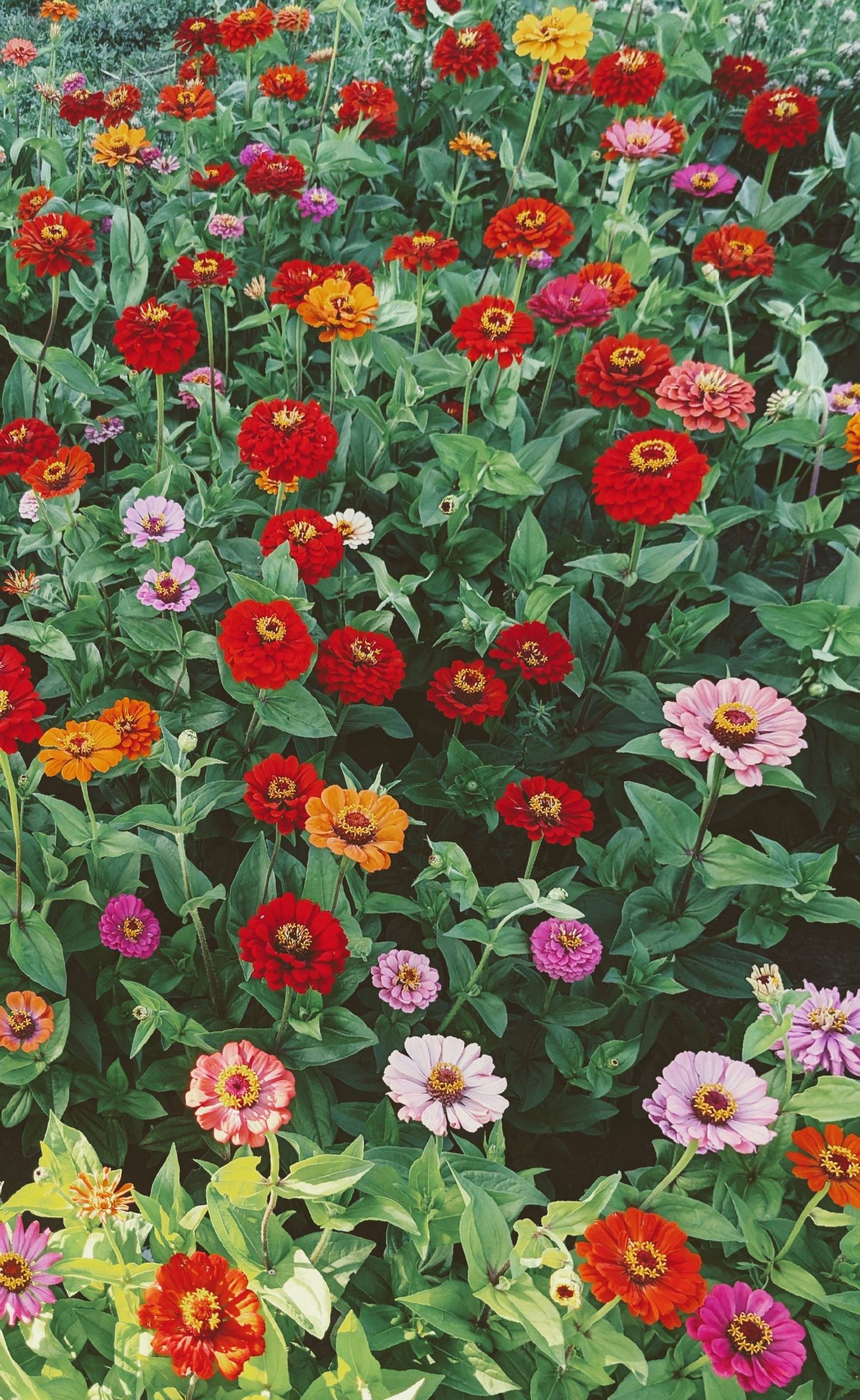
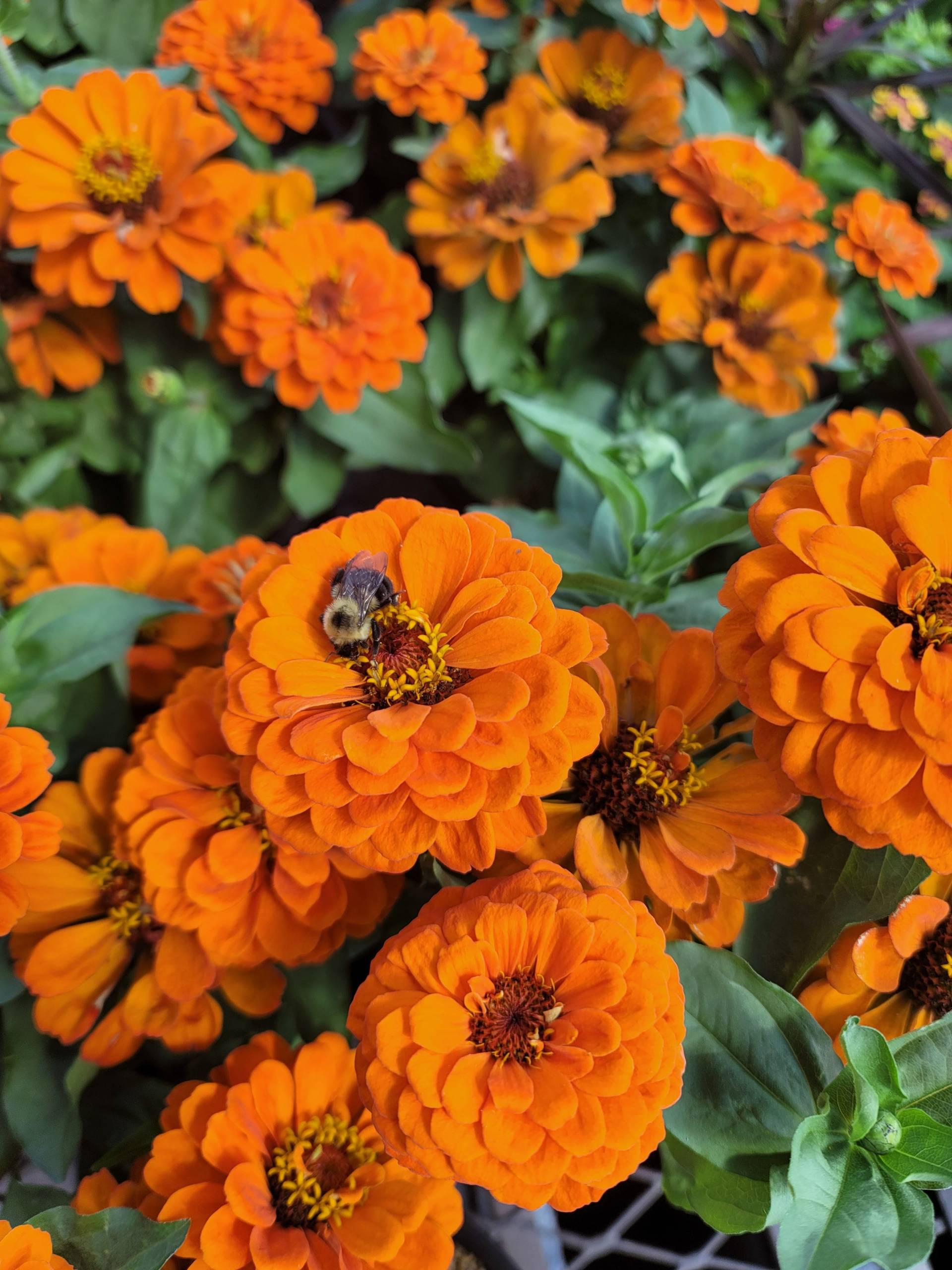
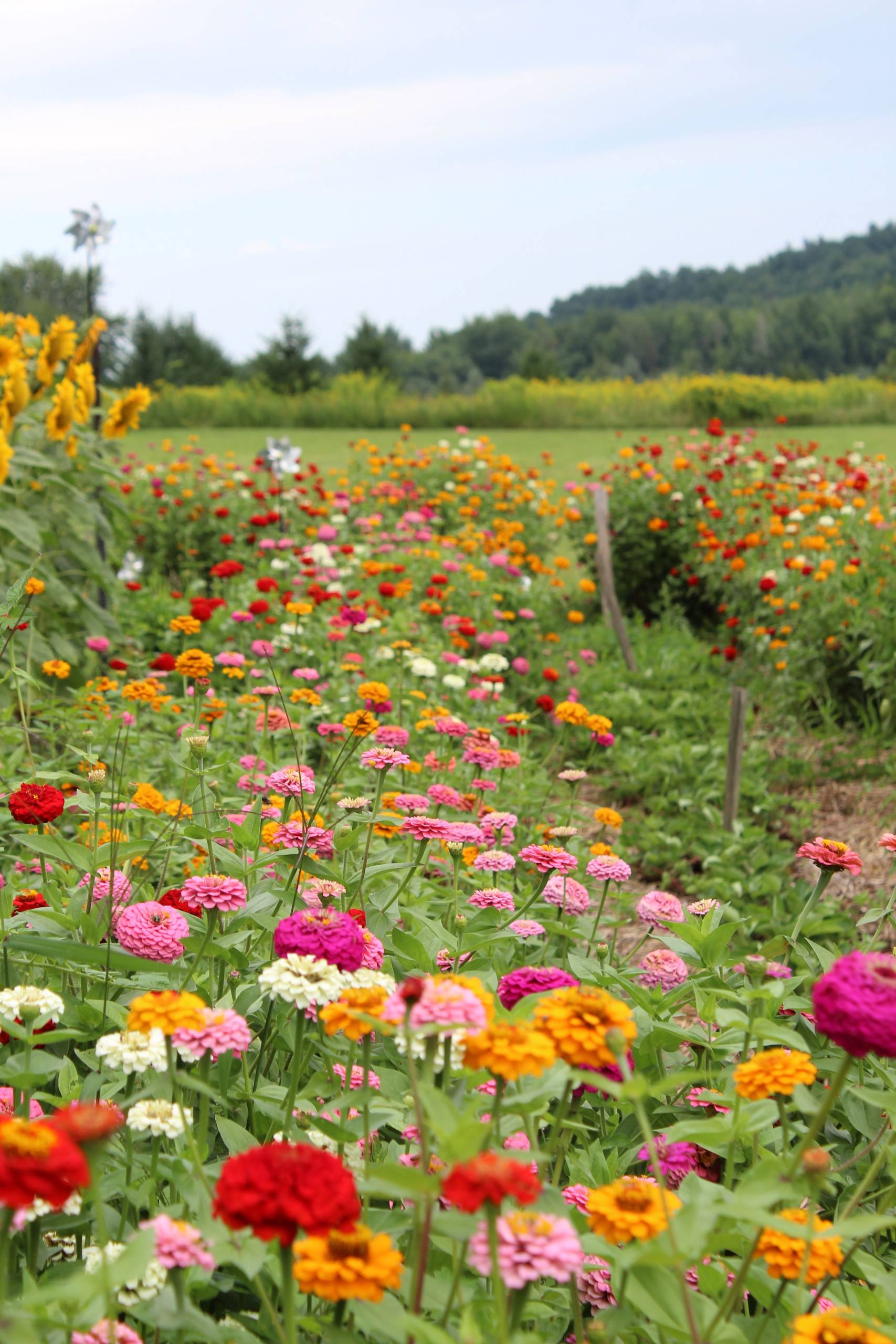
For more care tips and gardening advice on Zinnias and any other plants in your garden schedule your horticultural consultation today! We are available both in person and virtually to discuss all your gardening needs.