
Let’s face it—if you live in a gated community with strict HOA guidelines and hunting restrictions, the deer usually win. It’s not if they’ll snack on your prized azaleas, but when. Deer can jump up to eight feet from a standstill, so most HOA-approved fences won’t keep them out. So, what’s the solution? Honestly, choose deer-resistant plants… and hope your neighbors don’t read this.
Deer tend to avoid plants with strong scents, including many herbs, alliums, and fragrant flowering shrubs like the tea olive. They also steer clear of plants with thorny or rough-textured leaves, as well as those that are toxic to them.
Landscaping with boundaries—deer not invited.
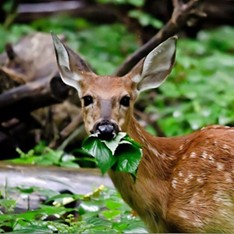
That said, our coastal climate and soil conditions narrow the list of suitable plants. Sandy coastal soils drain quickly but retain little moisture, while inland red clay can hold too much water and suffocate roots. Fortunately, several varieties thrive in our naturally acidic environment—and among them are a select few deer-resistant plants that they usually leave alone.
- Perennials: Lavender, Salvia, Gardenias, Peonies, Russian Sage, Bee Balm, Ferns, Ornamental Grasses, Abelia, Gregg’s Mistflower and Lambs Ear.
- Shrubs: Juniper, Boxwood, Tea Olive, Camelias, Spirea, Wax Myrtle, and Ajuga
- Annuals/Herbs: Marigolds, Snapdragon, Thyme, Rosemary, Mint, Catnip, Sage and Chives.
- Toxic Plants: Daffodils, Foxglove, Monkshood, Phlox, and Euphorbia.
- Strongly Scented/Tasting: Lavender, Russian Sage, and Catmint.
- Thorny/Prickly: Barberry, Roses (some types), and prickly herbs.
- Leathery/Fibrous: Pachysandra, Iris, and Peonies.
For the plants you truly love and can’t imagine losing, take steps to protect them from these pesky visitors. Surrounding vulnerable plants with strong-smelling herbs and flowers, or creating a boxwood border, can help deter deer. Deer are also especially attracted to new citrus plantings, so be sure to properly stake, mesh, and gate these plants until after their second year.
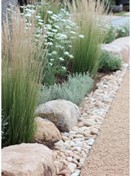
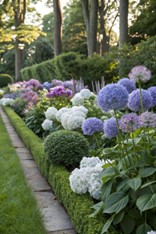
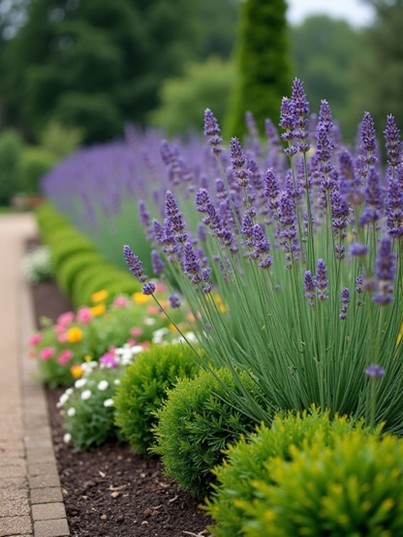
Ibis Coastal Landscapes can help you design your ideal garden oasis while using proven techniques to minimize damage from our four-legged friends. Call us today for a free consultation—we’re passionate about plants and committed to creating a garden Where Nature and Design Meet.