
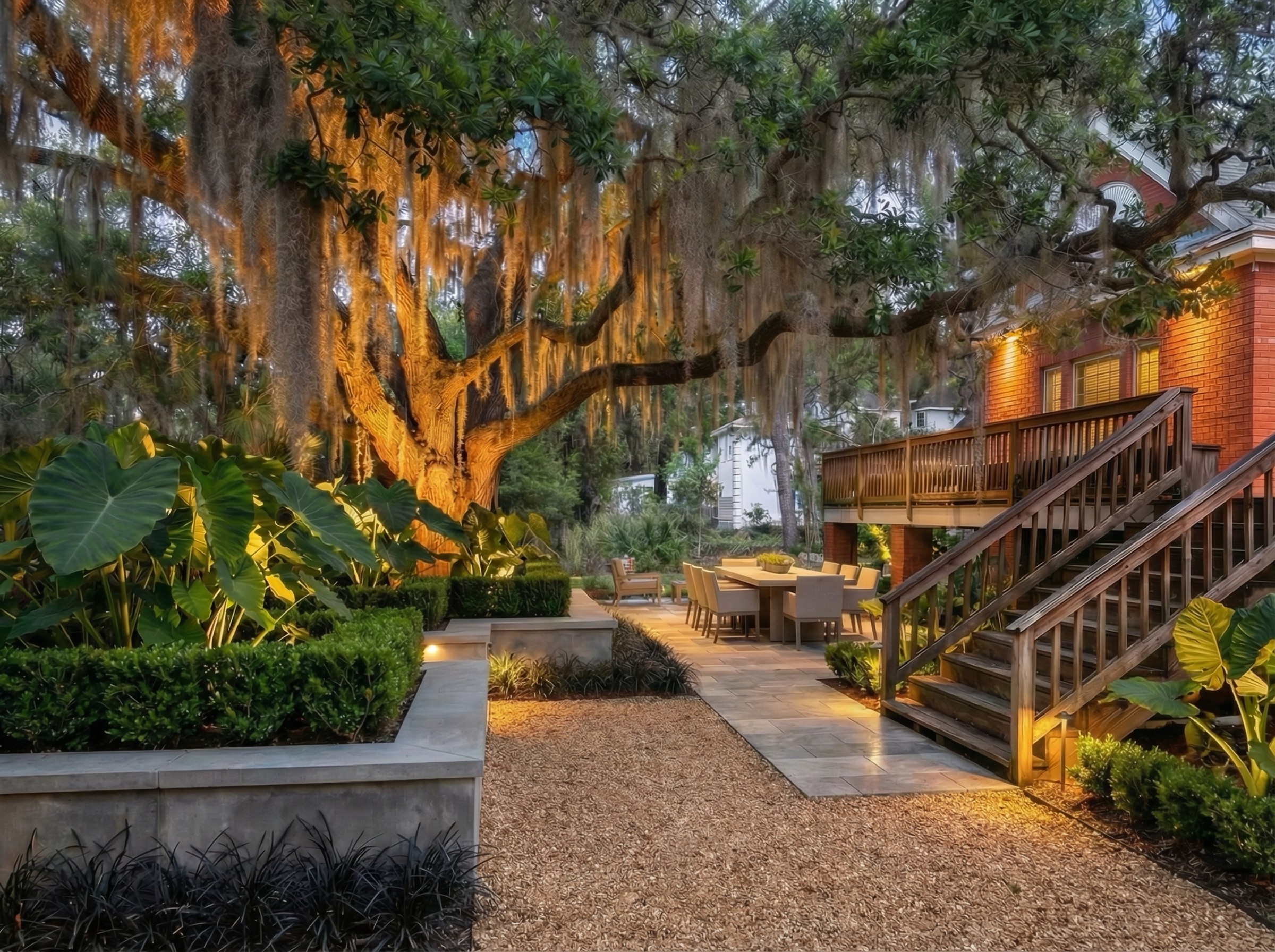
While I’m lucky enough not to deal with allergies myself, my son absolutely does—and living through childhood allergy seasons with him has been eye-opening in more ways than one. One of the biggest takeaways? Allergies are incredibly regional. You can feel perfectly fine in one part of the country and then move somewhere new—only to discover an entirely different set of plants ready to wage war on your sinuses.
And here in the Lowcountry, it’s a full-on assault.
Those postcard-perfect scenes—centuries-old live oaks draped in Spanish moss, set against tidal marshes—do come at a price. Every spring, those same live oaks unleash massive amounts of pollen… and they’re everywhere. Add cedar and pine into the mix, and you’ve got a recipe for misery. This time of year, pollen isn’t just “in the air”—it’s on everything. My car gets a fresh coat of green dust every single morning on the school run.
So, what’s an allergy sufferer to do? Start in your own backyard.

Plant selection is one of the easiest and most effective ways to cut down on pollen exposure. Some Southern favorites—like wisteria and Confederate jasmine—may smell incredible, but they’re notorious for triggering allergies. The same goes for those iconic azaleas that seem to thrive effortlessly here but often leave a trail of sniffles behind.
Instead, opt for low-pollen alternatives. Hydrangeas, boxwood, camellias, and peonies all do beautifully in our acidic soil and are considered hypoallergenic. Peonies are a standout—they’re pollinated by insects rather than wind, meaning their pollen is heavy and sticky, not floating around in the air looking for trouble. Their lush, layered petals even help trap what little pollen they produce.
I also tend to steer allergy-prone clients away from popular structural plants like bottlebrush and tea olive. They’re hardy and fast-growing, but they produce large amounts of fine yellow pollen that can quickly become a problem.
Beyond plant choices, landscape design itself plays a big role. Keep high-pollen plants away from the areas you use the most—near windows, patios, and driveways. Think of it as creating “low-pollen zones” where you can actually breathe a little easier.
Another smart move? Rethink the lawn. In the South, Bermuda and zoysia grasses are go-to choices—and while they’re tough and heat-tolerant, they’re also prolific pollen producers, even when kept neatly trimmed. Reducing or eliminating lawn areas altogether can make a noticeable difference.
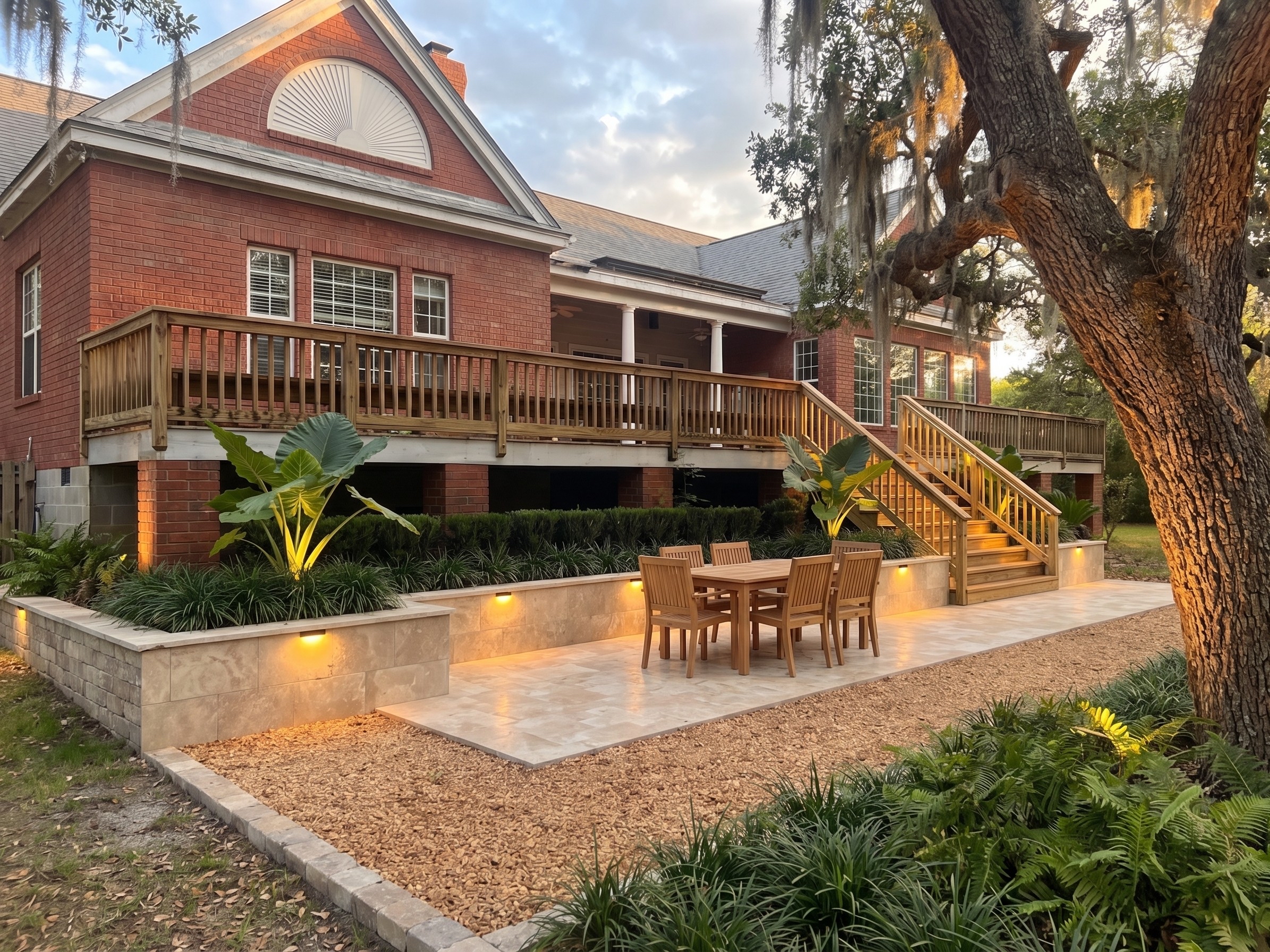
Consider incorporating more hardscape elements like gravel, crushed shell, brick pathways, or flagstone courtyards. And where grass is a must, high-quality artificial turf has come a long way—it looks great year-round, requires minimal maintenance, and doesn’t struggle under the shade of live oaks (which, let’s be honest, is half the battle in the Southeast anyway).
You can also create natural buffers using low-allergen screening plants like arborvitae, which help block windborne pollen. And when it comes to watering, drip irrigation is your friend—it delivers water directly to the roots without kicking pollen back up into the air like traditional sprinklers do.
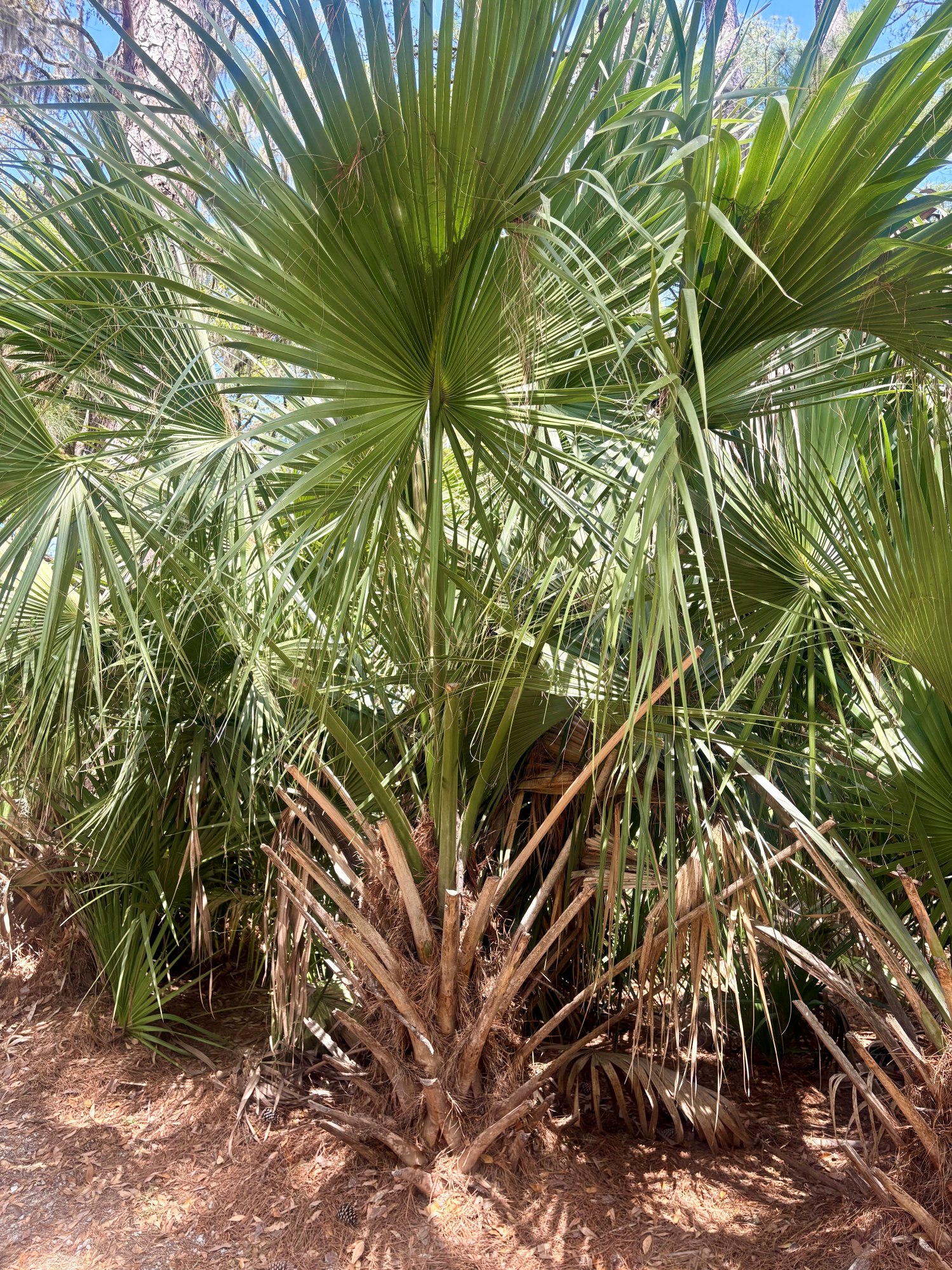
Here’s a lesser-known tip: not all plants of the same type behave the same way. Take palms, for example. Sago and palmetto palms are staples in Southern landscapes—but only the male plants produce pollen. By choosing female varieties, you can still enjoy their tropical look without the added allergy burden.
At the end of the day, a few thoughtful changes can go a long way toward making spring more enjoyable—and a lot less sneezy. And if it means cutting down on your household’s Kleenex consumption, that’s a win for everyone.