
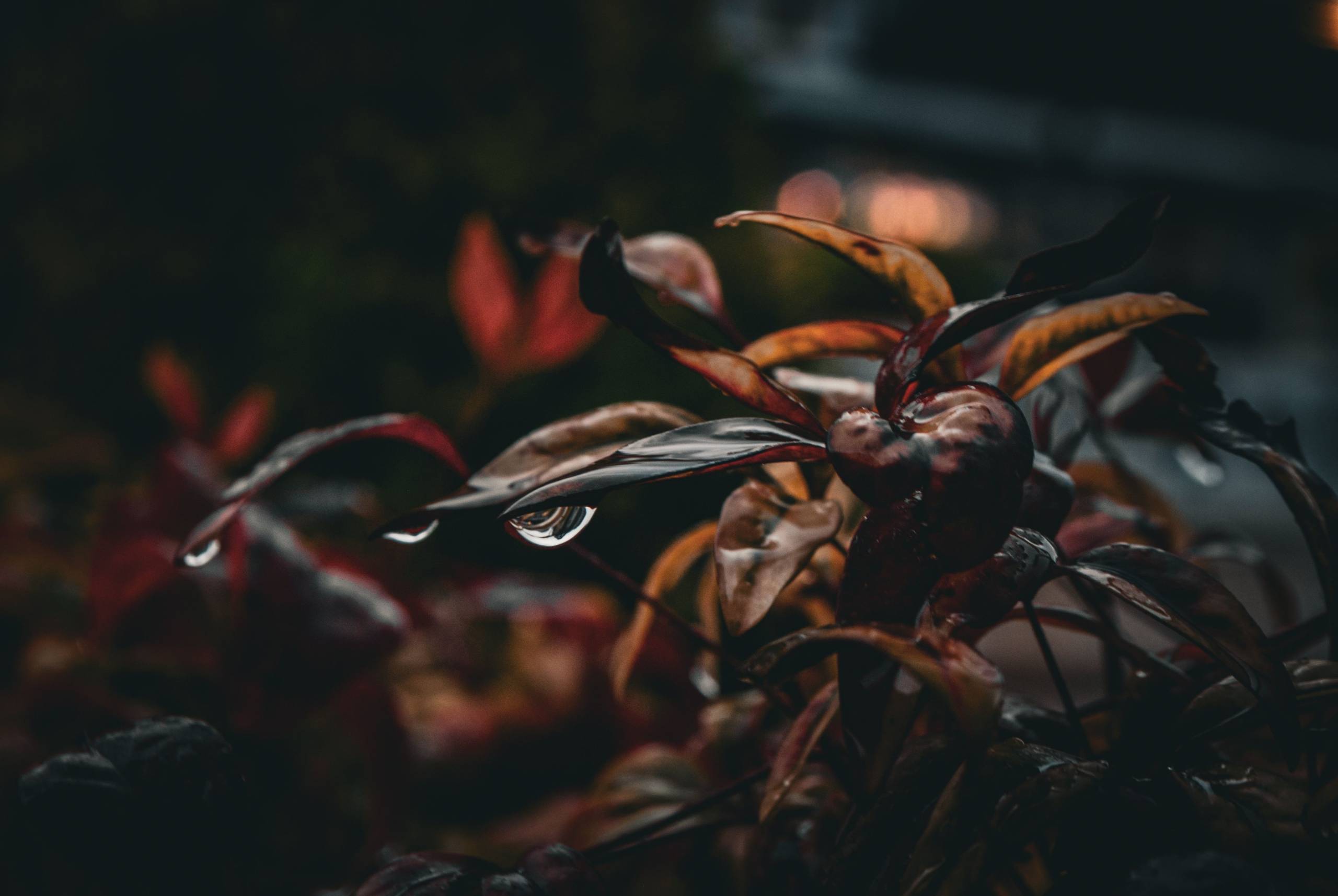
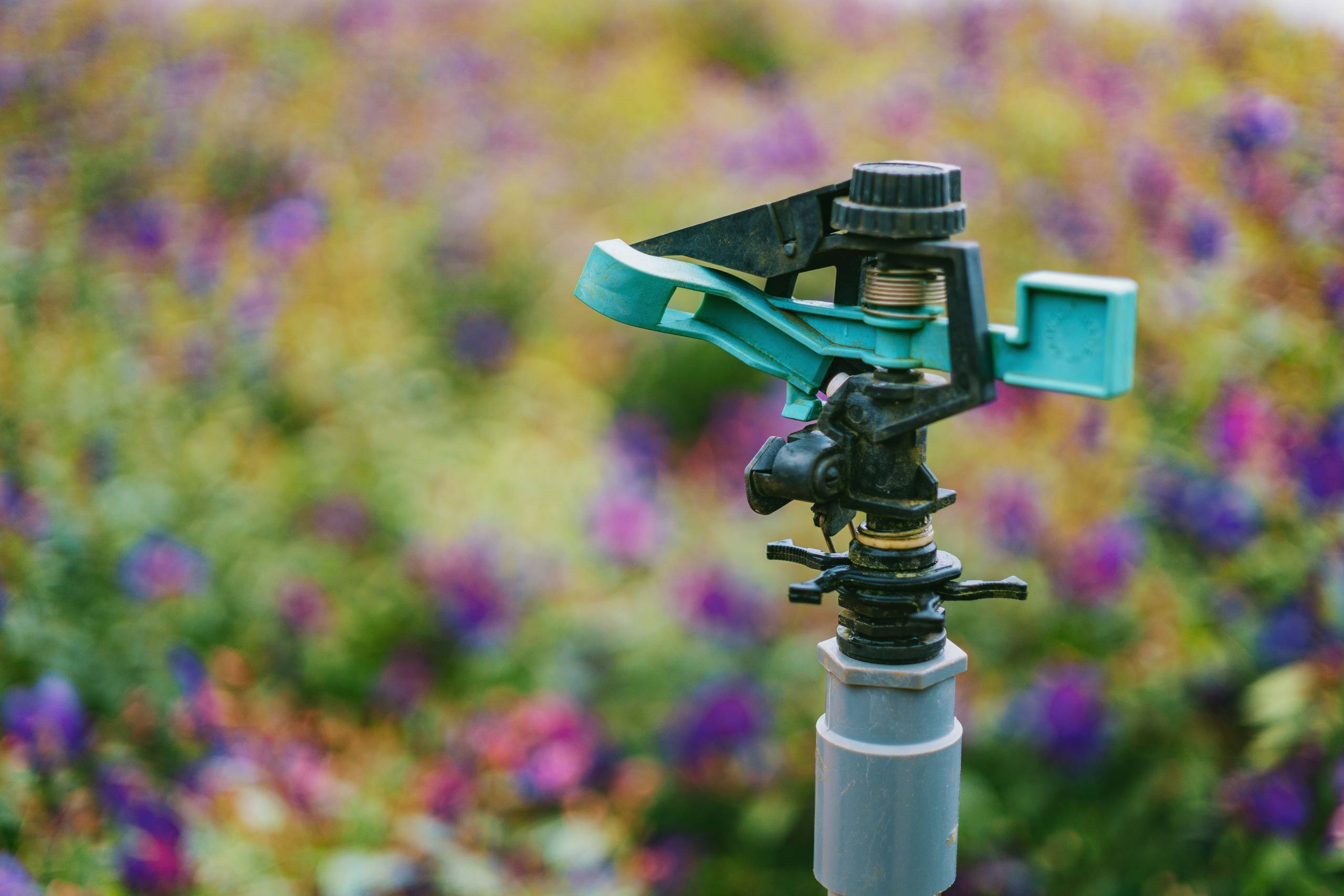
Short answer: yes. One of the most common questions I get after installing a garden is when to water it. In general, early morning is ideal. During the summer months, it’s best to run drip irrigation or sprinklers between roughly 5 a.m. and 9 a.m. This timing allows water to soak into the soil and be absorbed by the plants before the heat and intensity of the sun cause it to evaporate. It also reduces the risk of mold or mildew by giving plants time to dry out as the day warms up. That said, new plantings need consistent moisture, which in hot or dry climates often means watering both in the morning and again in the evening. Container plants especially dry out much more quickly in the heat of the day, so they also typically require more frequent watering than plants in the ground—often twice daily, morning and evening.
Now that I’ve said that you may think to yourself about the general axiom of never to water at night. People often say that by watering at night you are creating a cool, dark environment where moisture lingers on leaves, encouraging fungal diseases, mold, and rot. But after 12 years as an attorney and 30 as a gardener, my answer to this—and to most questions—is: it depends.
It’s true that nighttime watering can create conditions where bacteria and fungi thrive. However, before discouraging it across the board, you need to consider the environment you’re watering in.
In regions with consistently high humidity, especially where that humidity doesn’t drop overnight, it’s best to avoid watering at night. Humidity—more than the timing itself—combined with prolonged leaf wetness, is what creates ideal conditions for disease, mold, and rot.
On the other hand, in areas with low humidity or where humid conditions are limited to a short season, watering at night is less of a concern. For example, in North Texas, summers are hot but not excessively humid, and humidity often drops at night. In those conditions, watering after sunset doesn’t necessarily create an environment where pathogens will thrive.
By contrast, in coastal regions like Georgia and South Carolina, summers are both hot and highly humid, and that humidity tends to persist overnight. Watering at night in these conditions can increase the risk of mold and bacterial growth.
So, when deciding whether to water at night, focus less on a universal rule and more on your local climate and environmental conditions.
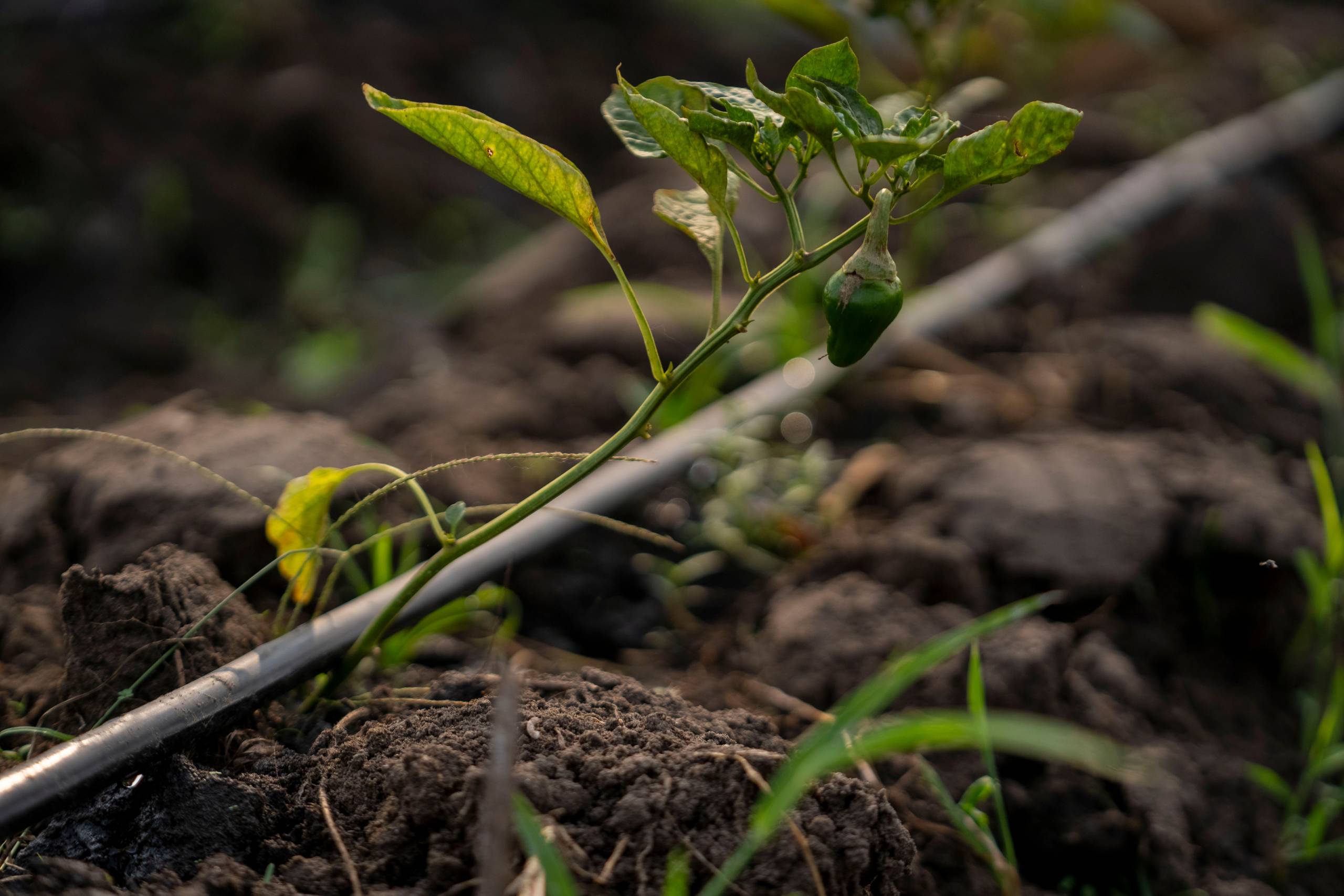
If you do water at night in high-humidity environments, keep a few key practices in mind. Bacteria are most often spread through watering by splashing soil onto leaves, moving pathogens from infected debris, and creating humid conditions that allow them to survive and enter plant tissue. To reduce this risk, avoid wetting the leaves and focus on watering at the roots. Adding mulch can also help prevent potentially infected soil from splashing onto the foliage. Finally, water deeply and thoroughly rather than just dampening the surface in order to encourage deeper root growth and a stronger healthier plant that is more resistant to drought.
Also, be mindful of the plants you choose to grow and how susceptible they are to fungus, mold, or bacterial issues. Plants that are prone to these problems—such as tomatoes, peppers, eggplants, strawberries, hostas, roses, peonies, and peach trees—may not be the best fit for highly humid environments. That said, you can still grow them successfully. Just keep these considerations in mind and apply the tips above to help keep your garden clean, healthy, and beautiful throughout the year.
For more horticultural tips schedule a consultation today! We are available both in person and virtually for those who do not live in the Savannah or Charleston areas.