
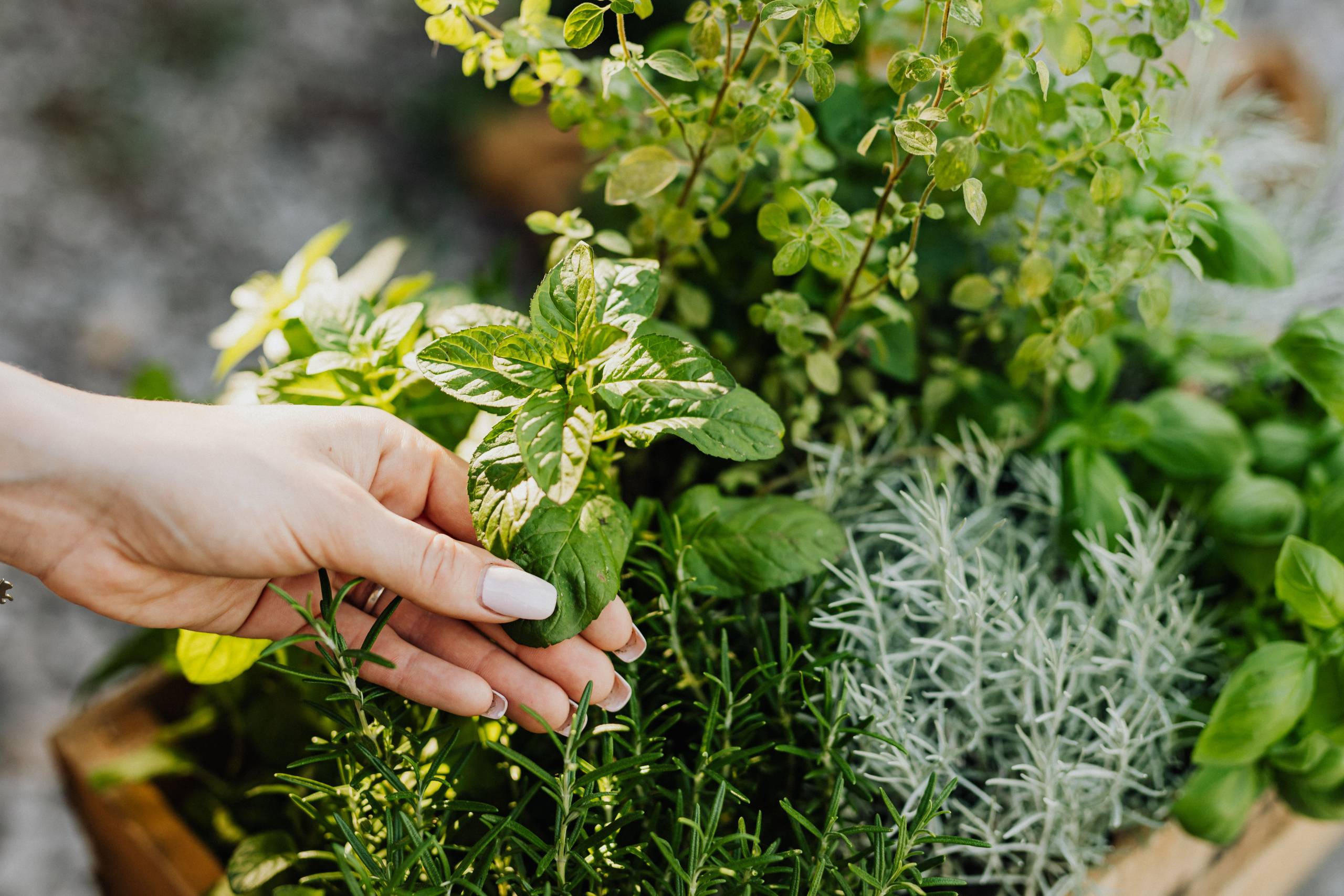
I love to cook, but I can’t stand paying $5 for a tiny bundle of “organic” herbs at the grocery store. I’ll happily spend $400 on a dress, yet $20 on herbs feels outrageous—completely irrational, I know, but that’s how it is. My solution is simple: I grow my own. I rely on five tried-and-true herbs each year. They all thrive in pots, and most are incredibly easy to grow once you understand their basic needs.
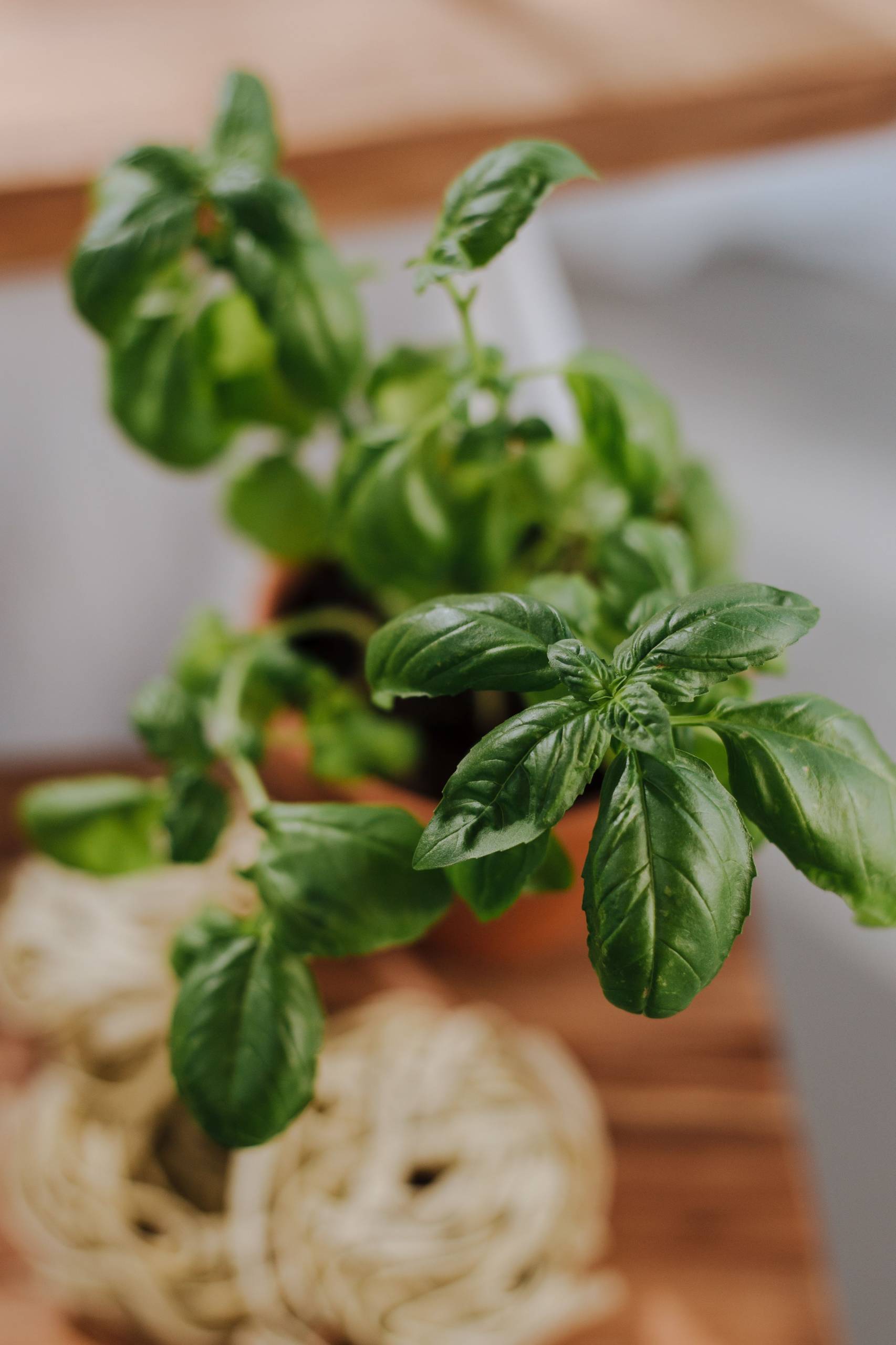
Basil: There are more than 25 varieties of basil, each offering its own unique flavor and color. It’s best to plant basil after the last frost—around early April in coastal Georgia and South Carolina. While basil thrives in full sun, the intense Georgia summer heat can be too much, especially in the afternoon. That’s where container gardening comes in handy. By growing basil in pots, you can easily move it out of the harsh late-day sun to keep it from scorching.
Basil grows quickly and abundantly through the season, but as late summer approaches, it will begin to flower, produce seeds, and eventually bolt. Once this happens, the plant’s quality declines significantly. At that point, it’s best to collect the seeds, remove the old plant, and start fresh.
Rosemary: I love rosemary and have written about it often—its intoxicating scent and strong, sculptural presence make it a standout in any garden. It’s also remarkably tough. You can cut it back aggressively, and it will bounce right back.
In coastal Georgia and South Carolina, the ideal planting window is early spring from mid-February through mid-April. Rosemary can tolerate a light frost, so there’s no need to wait for the final one to pass. It thrives in full sun and well-drained soil, and it really doesn’t like to sit in moisture. That makes it perfectly suited to our sandy soil, high humidity, and intense sun.
Just be sure to prune it regularly—consistent trimming keeps rosemary from becoming too woody and unruly.
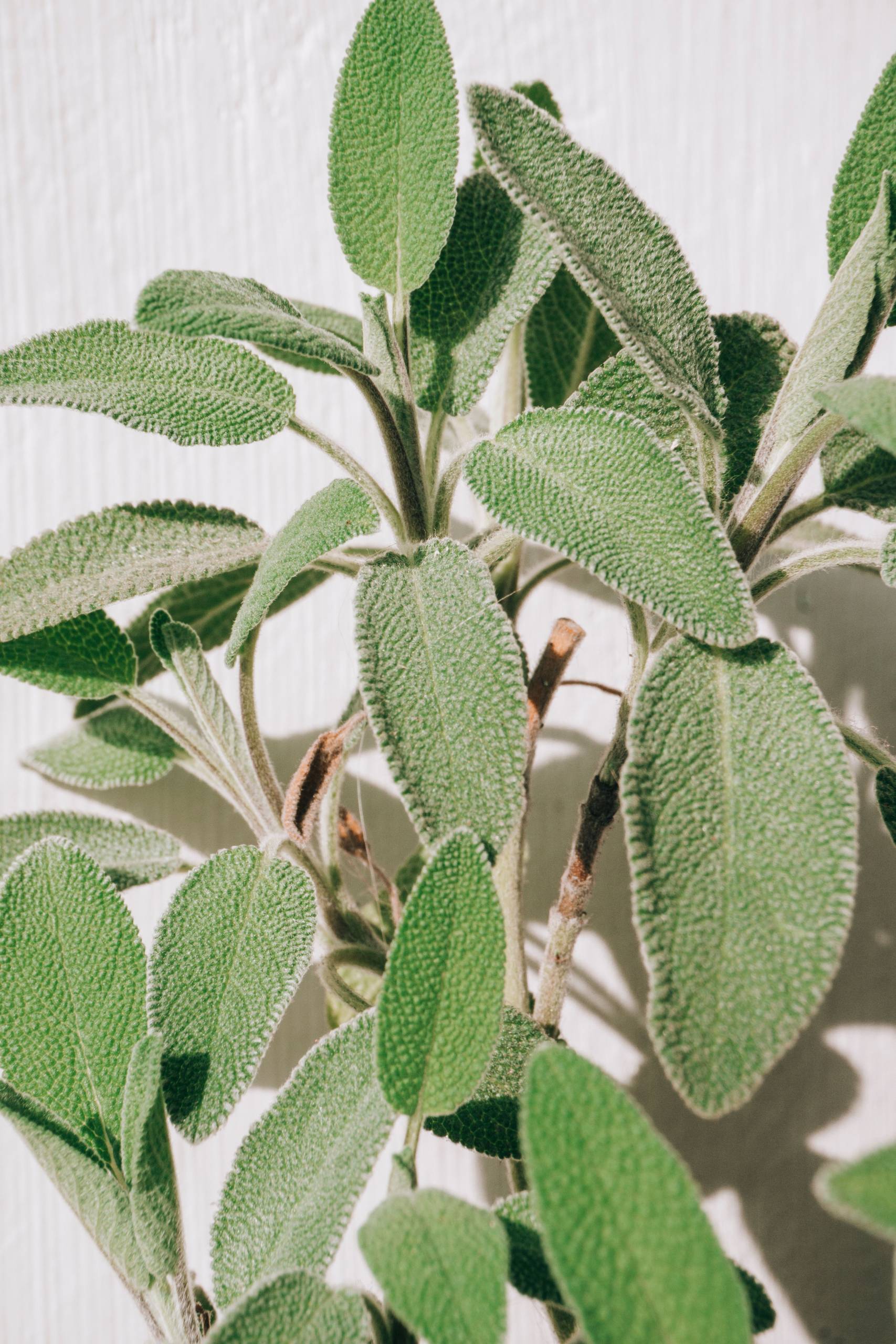
Sage: In Coastal Georgia and South Carolina, the best time to plant sage is in the fall (October to February) or early spring, allowing it to establish before the intense summer heat. It thrives in full sun with well-draining, slightly acidic soil, which makes it an ideal plant for our sandy, slightly acidic soil. Because sage thrives in milder weather, fall planting allows roots to establish during winter before the intense summer sun. Sage becomes woody after 3 to 5 years so plan on replacing it periodically.
Oregano: Oregano in north central Texas grows like a weed. You put it in a pot in the sun, water it once a day and leave it alone. Cut it back each winter and you’ll have more sage than you will know what to do with come summer. In Coastal Georgia and South Carolina sage takes a bit more work, albeit not much. Oregano prefers slightly alkaline, well-drained soil and can handle a light freeze, so there’s no need to cover it. Once it flowers, be sure to cut it back and continue harvesting regularly, since the newer leaves have the best flavor. If it goes to seed, growth will slow significantly. Keep the soil evenly moist but avoid overwatering.
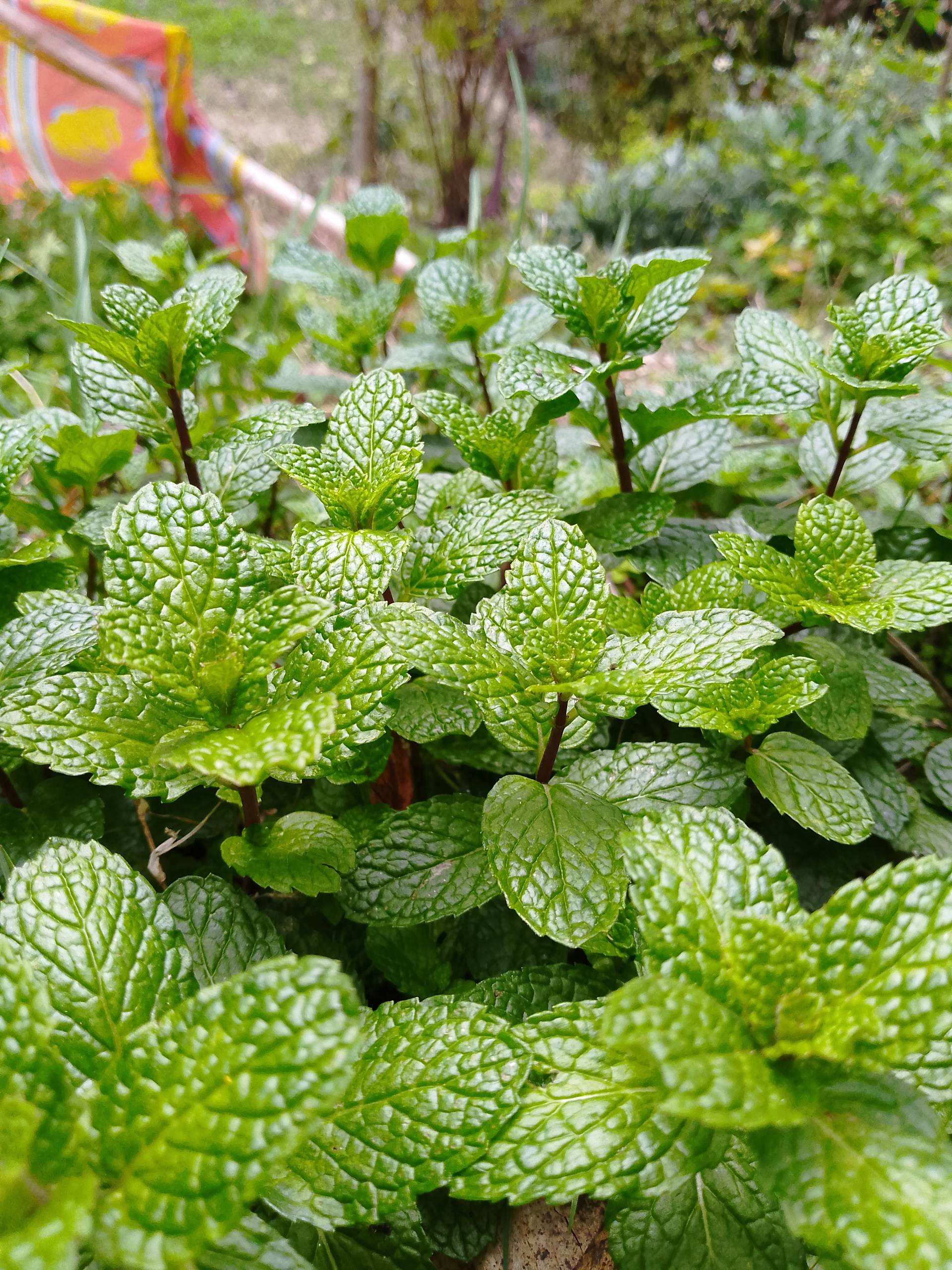
Mint: Mint behaves more like a weed than a garden herb, so it’s best grown in a pot to keep it from taking over. Plant it after the risk of frost has passed and give it a spot with partial sun and some afternoon shade—coastal Georgia’s intense heat can be too much in full exposure.
One of the most useful tips I’ve come across—I heard on BBC’s Gardeners’ World—addresses a common issue with potted mint: it often dies out in the center. To fix this, lift the plant out of its pot in the fall, cut it halfway through the root ball, and flip it inside out so the outer growth becomes the center. Then replant it. This simple trick keeps your mint full, healthy, and free of that bare patch in the middle.
I hope you’ve enjoyed these simple tips for growing herbs at home. I’d love to hear how your garden is coming along—there’s nothing better than connecting with local growers and families and hearing their experiences. If you have any questions or need a bit more guidance, please don’t hesitate to reach out.