
After spending enough time around plants and gardens, people tend to fall into one of two camps: those who love lawns, and those who slowly move from indifference to mild irritation—and eventually outright dislike. I’d place myself in the second group. That said, one of my close friends runs a lawn care company, so I balance my distain with a genuine respect for those who take pride in a well-kept, lush green lawn.
Here in coastal Georgia and South Carolina, I’ve seen excellent results from a simple but effective approach: core aeration combined with a spring top dressing of sand or compost. Done correctly, it can dramatically improve the health and appearance of a lawn.
The process starts with aeration. Over time, soil becomes compacted from foot traffic, mowing, and everyday use, making it harder for grass to access nutrients—especially in coastal Georgia, where native soils are often poor to begin with. Compaction and thatch buildup from the previous season also limit the flow of oxygen to the roots, which weakens overall turf health
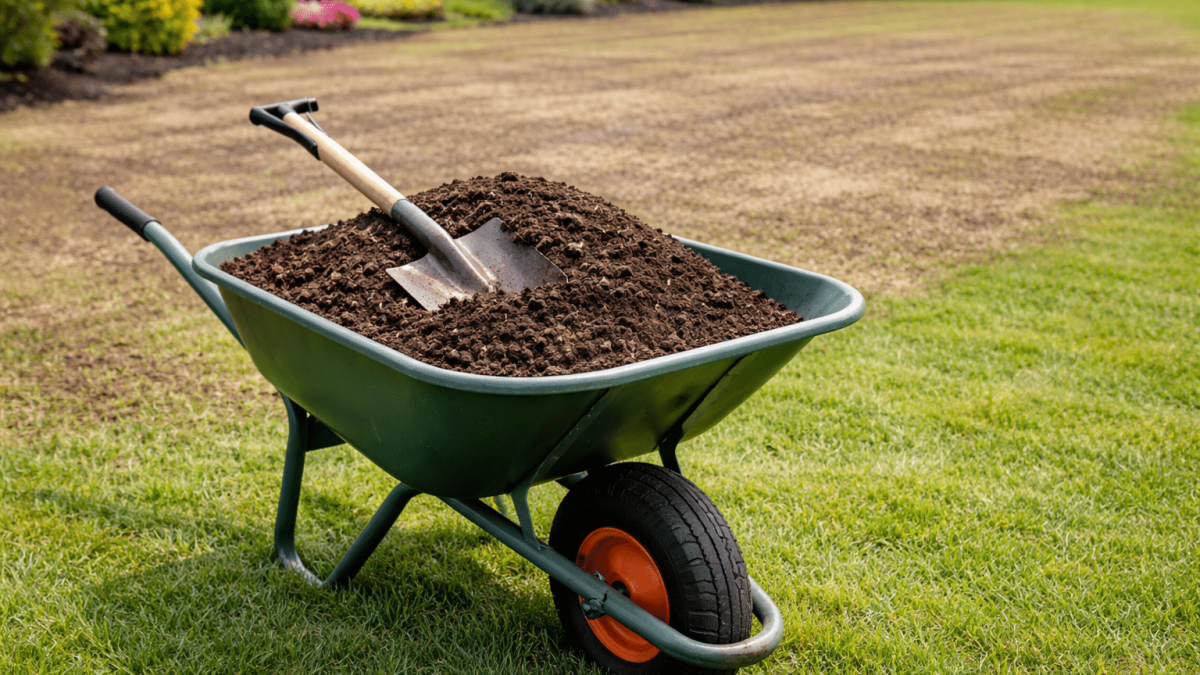
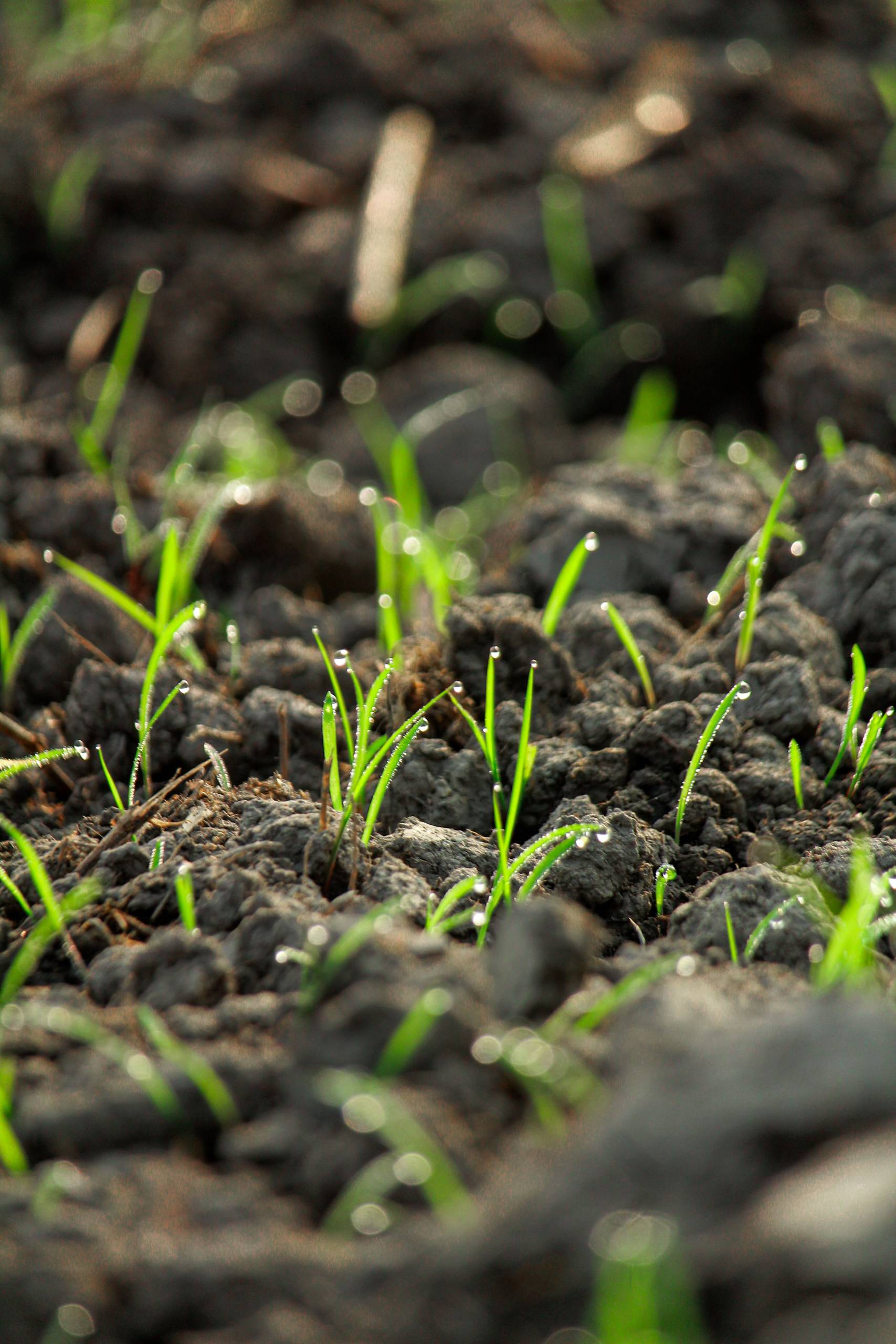
Once aeration is complete, a thin layer of nutrient-rich compost—generally no more than about ¼ inch—is applied across the lawn. This top dressing reintroduces essential nutrients that may have been depleted over the winter. Together, aeration and composting help break down thatch, improve air and water movement through the soil, and encourage deeper root growth. The result is a more resilient lawn that can better withstand stress, including the heat and drought of summer.
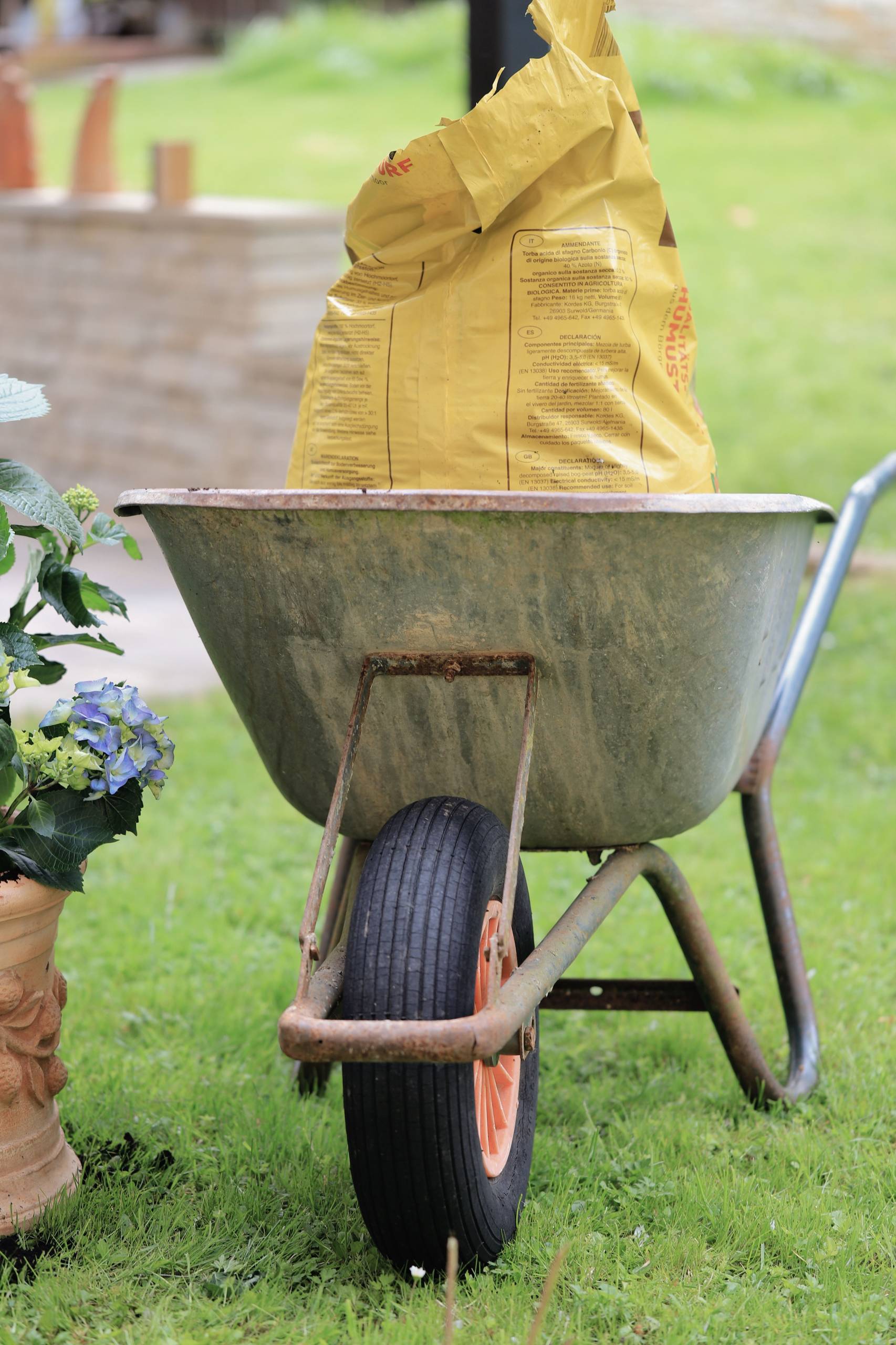
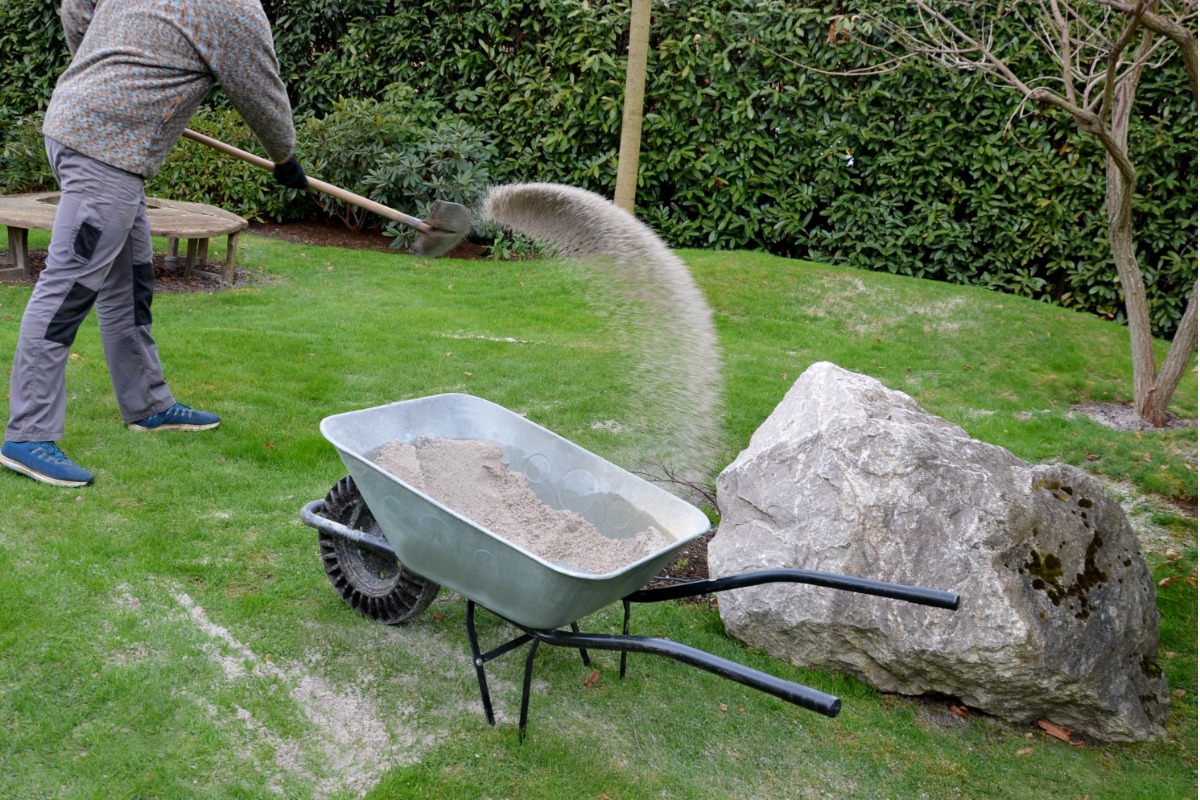
When it comes to materials, there’s an ongoing debate between sand and compost-based mixes. My experience—and the advice I tend to follow—leans toward compost but what’s most important is knowing your starting soil. Unlike sand, compost provides slow-release nutrients that feed the grass gradually, avoiding the “boom and bust” cycle often seen with synthetic fertilizers. It also introduces beneficial microorganisms that help break down organic matter into forms the grass can readily absorb, ultimately leading to healthier, more sustainable turf. Sand on the other hand is the most stable material for filling low spots and minor depressions. Unlike compost or topsoil, sand does not decompose or shrink, meaning the level surface it creates remains permanent. Sand is also the better choice for clay soils. Applying sand to heavy clay soils increases the soil’s infiltration rate, helping water move away from the surface quickly. This reduces waterlogging and the risk of root diseases caused by standing water.
Overall, top dressing is an effective way to promote a healthier, longer-lasting lawn. The best material to use depends on your specific lawn conditions and the type of soil you’re starting with. For more horticultural tips schedule a consultation today! We are available both in person and virtually for those who do not live in the Savannah or Charleston areas.