
It’s tempting to break out the pruning shears at the first sign of spring, but missing that early-season window is not always a bad thing. In fact, many spring-blooming plants are best left untouched until late spring or even early summer because they form their flower buds well before blooming begins. Pruning too early can remove those developing buds and dramatically reduce the season’s floral display. For many of my Southern favorites, the ideal time to prune is after flowering has finished—usually sometime between May and June.
Azaleas
One of the most disappointing gardening sights in Savannah’s upscale planned communities is seeing azaleas sheared into perfectly rounded mounds in late February or early March. While the shrubs may look tidy, early spring pruning removes the flower buds that formed the previous summer and fall, leaving only a few protected blooms tucked inside the plant. The result is often a tightly clipped shrub with sparse flowers instead of the lush spring display azaleas are known for. Meanwhile, the neglected azaleas blooming along downtown median strips burst into spectacular color just in time for St. Patrick’s Day. The takeaway is simple: wait until after flowering—typically April through May—before pruning azaleas. When pruning, remove dead, damaged, or crossing branches back to the main stem or branch origin. To reduce height, cut branches back to a healthy lateral branch or leaf node rather than shearing the entire plant.
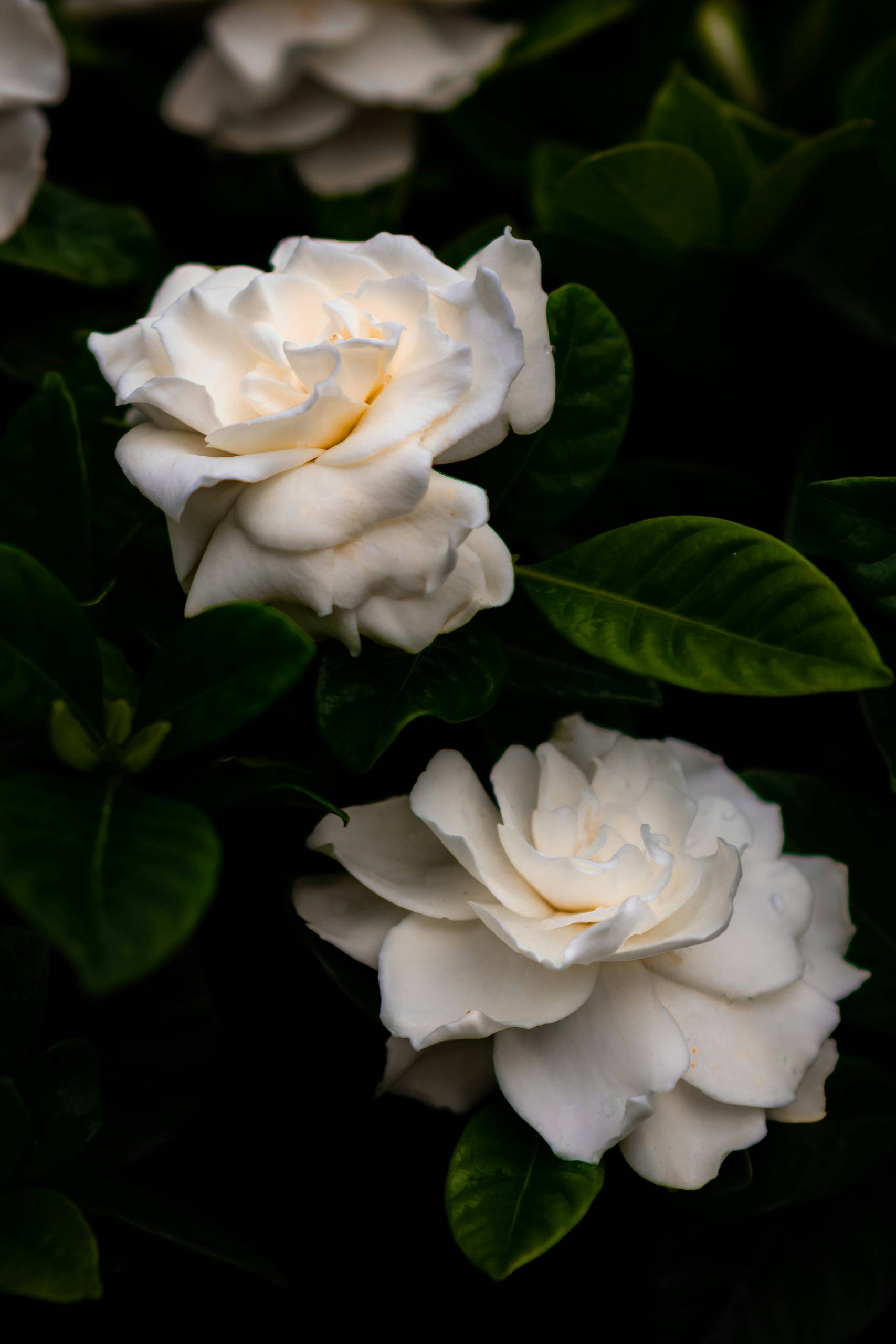
Gardenias
In the Savannah and Charleston areas, gardenias begin setting buds in early spring and bloom in waves from mid-May or early June through late summer. Pruning too early removes developing flower buds and limits the plant’s blooms for the season. Fortunately, gardenias require very little pruning because most varieties naturally maintain a compact shape, usually reaching only 3 to 4 feet tall. If shaping is needed, wait until the final blooms have faded in late June or July. Make angled cuts about ¼ inch above a leaf node, remove dead or crossing branches, and lightly thin the shrub to improve airflow and encourage additional blooms.
Wisteria
Two primary types of wisteria are commonly grown in the South: Chinese wisteria and American wisteria. Chinese wisteria blooms before its leaves emerge, while American wisteria flowers after the foliage has appeared or is just beginning to develop. Regardless of the variety, avoid pruning in spring once buds or leaves begin forming, since early cuts can remove developing blooms. Instead, wisteria is best pruned twice a year: once in late winter and again in mid- to late summer after flowering. During summer pruning, cut back long, whippy shoots to about five or six leaves to keep the vine manageable and encourage flowering.
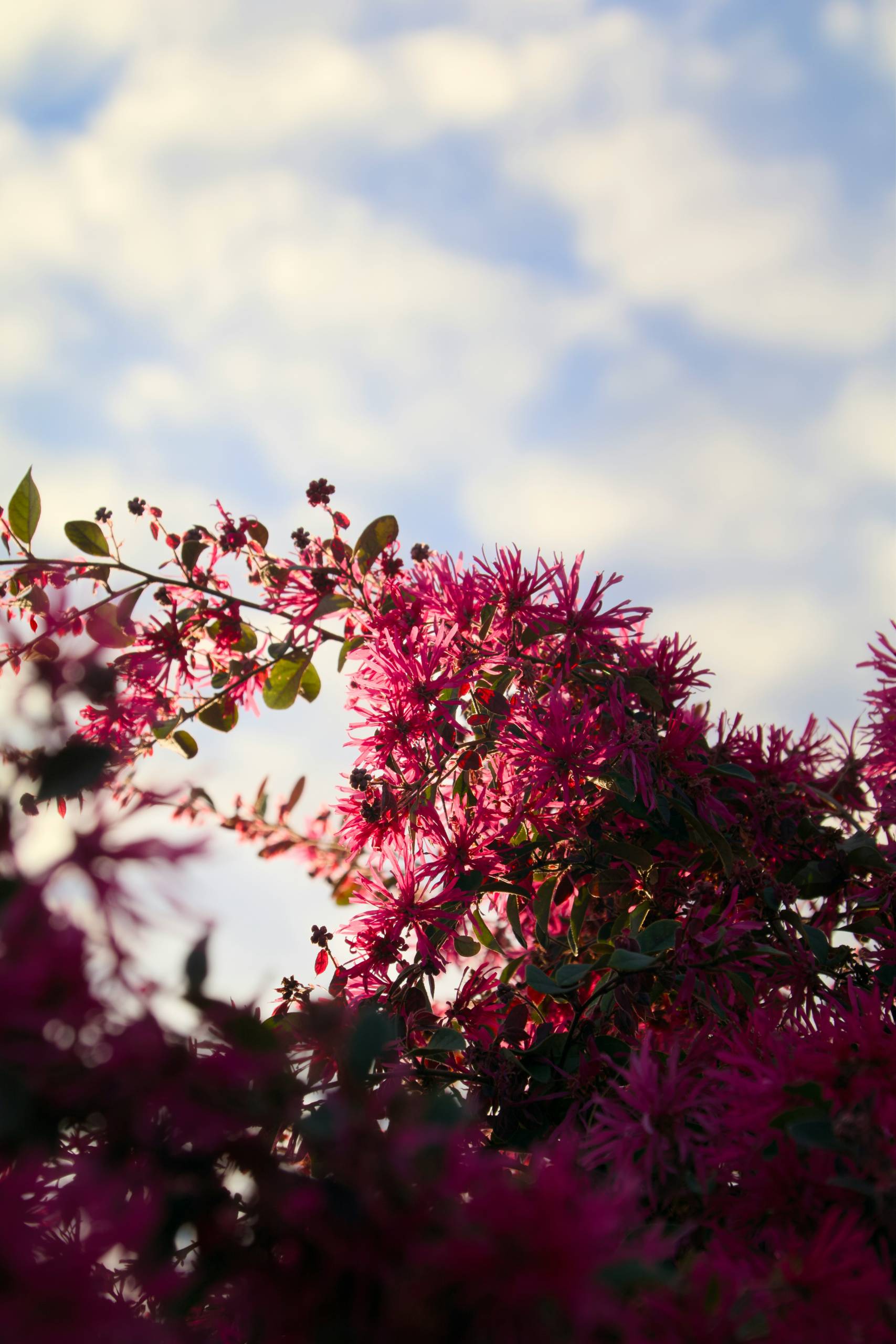
Loropetalum
Loropetalums are versatile purple-leafed shrubs that come in a variety of sizes and forms. They are widely used in Southern landscapes as hedges, topiaries, and structural foundation plants because of their colorful foliage and adaptability. In early spring, bright pink blooms create a striking contrast against their rich purple leaves. Although loropetalums respond well to pruning, they should not be trimmed before flowering. Instead, wait until the blooms fade in late April or May before shaping the plant. To prune, trace overly long or unruly branches back to a lateral branch or the main stem and make clean cuts there. Avoid removing more than one-third of the plant’s total foliage at one time.
Climbing Roses
Certain climbing roses, including the Cherokee Rose—the state flower of Georgia—bloom only once each year. These vigorous climbers produce breathtaking spring displays covered in masses of flowers, but they should not be pruned until flowering has finished, usually in June. Start by removing dead, damaged, or diseased growth. Then thin out weak, spindly, or crossing canes at the base of the plant to improve airflow and direct energy into healthy growth. Finally, prune the lateral canes—the smaller shoots branching from the main horizontal canes—back to two or three buds from the main cane. Make each cut about ¼ inch above an outward-facing bud to encourage open, balanced growth and abundant blooms the following season.

For more tips and advice reach out to us to schedule a horticulture consultation today!